

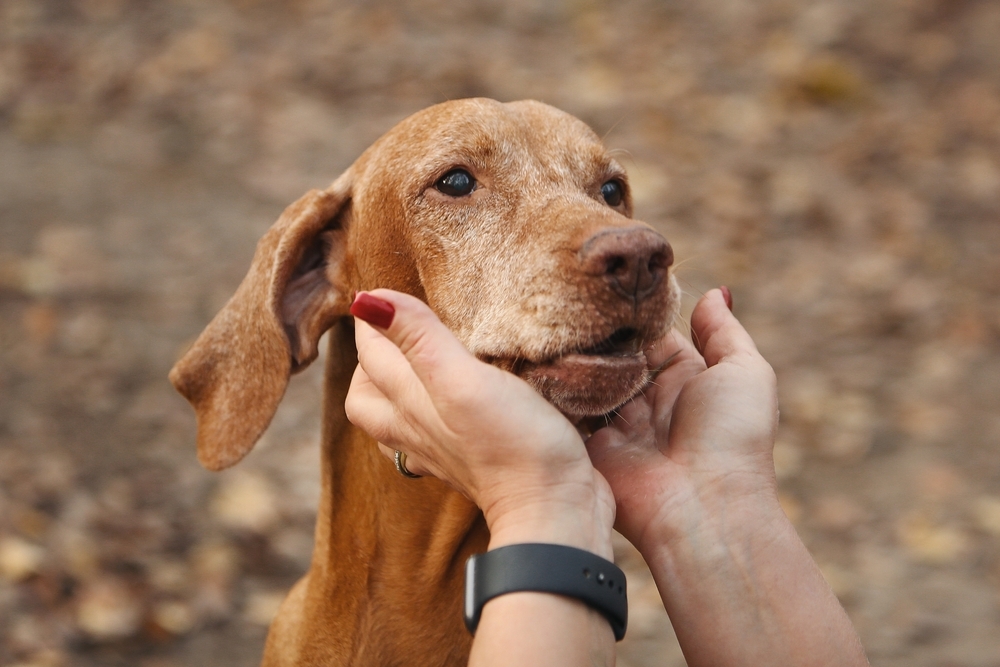
Common Chronic Conditions in Older Pets and How to Manage Them
Does your senior dog hesitate at the bottom of the stairs now, or have you noticed your once-playful cat spending more time napping in quiet corners? These small shifts can tug at your heart, but they don’t have to mean the end of happy, active years together. With attentive care, the right support, and a veterinary team who truly understands the bond you share, senior pets can continue to thrive, stay comfortable, and enjoy the life they love.
At Homestead Animal Hospital, we believe in making a difference in your life and the life of your pet. Our compassionate team provides wellness care tailored to every stage of your pet’s journey, including customized senior care plans that address the unique needs of aging animals. Here, you and your pet always come first. Through happy times or sad, through funny times or stressful times, and everything in between, we are here for you- because that’s what family means.
Why Senior Care Requires a Different Approach
As pets age, their bodies change in ways that aren’t always obvious. Metabolism slows, immune function shifts, and organs that once worked effortlessly may begin to show signs of wear. These changes often mask illness until it’s advanced, which is why waiting for dramatic symptoms can mean missing the window for early, effective intervention.
That’s where proactive care makes all the difference. Following senior care guidelines, we recommend semiannual wellness visits for older pets- twice-yearly checkups that allow us to track trends, adjust nutrition and medications, and catch changes before they become crises. Regular monitoring through bloodwork, urinalysis, and physical exams gives us a clear picture of your pet’s internal health, helping us make data-informed decisions that lead to smoother recovery and better outcomes.
Our pet diagnostics capabilities include a full-range in-house laboratory. Whether it’s a chemistry panel, urinalysis, or thyroid screening, we review every result with you personally, setting goals together and creating a roadmap that keeps your senior pet comfortable and thriving.
Osteoarthritis: Keeping Your Pet Moving Comfortably
Stiffness after a nap, reluctance to jump onto furniture, slower walks, reduced jumping in cats, less grooming- these everyday signs often point to osteoarthritis, one of the most common conditions affecting older dogs and cats. Arthritis develops when cartilage in the joints breaks down, leading to inflammation, pain, and reduced mobility.
Cats are particularly skilled at hiding arthritis pain. Rather than limping, they simply stop doing activities that hurt- jumping to counters, grooming hard-to-reach spots, or using litter boxes with high sides. Dogs may be more obvious, showing stiffness or reluctance with stairs, but both species benefit enormously from early intervention.
The good news? There’s so much we can do. Weight control is one of the most powerful tools we have- even a few pounds can make a significant difference in joint stress. Anti-inflammatory medications, joint supplements, structured low-impact activity like short, frequent walks for dogs or gentle interactive play for cats, and exercises for osteoarthritis help maintain muscle strength and flexibility.
Environmental changes like non-slip rugs, ramps, litter boxes on every floor, and orthopedic bedding reduce strain and improve confidence. And for many pets, newer therapies provide remarkable relief: Librela for dogs and Solensia for cats are monthly injections that target pain at its source.
At Homestead Animal Hospital, we customize exercise and pain management plans for each pet’s mobility level and species-specific needs, working closely with you to find the right balance of activity, comfort, and quality of life.
Diabetes Mellitus: Managing Blood Sugar with Confidence
Increased thirst, frequent urination, changes in appetite, and unexplained weight loss are hallmark signs of diabetes mellitus in both dogs and cats. This condition occurs when the pancreas doesn’t produce enough insulin or the body can’t use it effectively, leading to elevated blood sugar levels.
Managing diabetes requires consistency, but with the right plan, diabetic pets can live long, happy lives. The fundamentals include feeding meals at the same times each day, administering insulin as prescribed, and monitoring blood sugar at home.
Our surgery and internal medicine team provides individualized diabetes care plans and nurse-led education to help you confidently track glucose levels at home.
Cognitive Dysfunction: Supporting Your Pet’s Mind
Altered sleep-wake cycles, nighttime pacing or vocalization, increased anxiety, disorientation, staring at walls, and house-soiling- these changes can be heartbreaking in both dogs and cats, but they’re often signs of cognitive dysfunction, sometimes called “dementia” in pets. While we can’t reverse the condition, we can slow its progression and improve daily routines.
Recognizing cognitive decline signs early allows us to introduce targeted diets rich in antioxidants, enrichment activities that keep the brain engaged, and medications that support cognitive function. Consistency in routine, gentle exercise, and plenty of reassurance also make a meaningful difference for both species.
Cancer in Aging Pets: Early Action Makes a Difference
New lumps, non-healing sores, unexplained weight loss, lethargy, difficulty eating, or behavioral changes- any of these warrant prompt evaluation in dogs and cats. While hearing “cancer” is frightening, many pet cancers are treatable, and early detection dramatically improves comfort and options.
Diagnostic steps typically include physical examination, fine needle aspiration or biopsy, bloodwork, and imaging to stage the disease. From there, we discuss treatment options- surgery, chemotherapy, radiation, or palliative care- tailored to your pet’s needs and your goals.
At Homestead Animal Hospital, our surgery and internal medicine services include mass removal, biopsies, and compassionate case coordination.
Hypothyroidism in Senior Dogs
Weight gain despite a normal diet, low energy, thinning coat, and recurring skin infections are all subtle signs that often point to hypothyroidism, a condition where the thyroid gland doesn’t produce enough hormone. While this condition primarily affects dogs, diagnosis is straightforward through bloodwork, and treatment is highly effective.
Once we confirm hypothyroidism with a thyroid panel, daily medication restores hormone levels, and most dogs show improvement within weeks. Energy returns, weight normalizes, and coat quality improves. We’ll recheck bloodwork periodically to ensure the dose is right and adjust as needed.
Chronic Kidney Disease in Senior Cats
Increased drinking, weight loss, changes in litter box habits, poor appetite, and vomiting are common signs of chronic kidney disease, one of the most prevalent conditions in older cats. While kidney disease isn’t curable, it’s highly manageable with the right approach.
Managing kidney disease involves renal diets formulated to reduce kidney workload, hydration strategies including subcutaneous fluids when needed, and regular monitoring through bloodwork and urinalysis. Early intervention slows progression and maintains quality of life for months or even years.
Hyperthyroidism in Senior Cats
Weight loss despite a ravenous appetite, restlessness, increased vocalization, vomiting, and a poor coat are classic signs that point to hyperthyroidism, an overactive thyroid gland that revs up metabolism to unhealthy levels in cats.
Treatment options for hyperthyroidism include daily medication, prescription diets, or radioiodine therapy (which we coordinate with specialty partners). Each approach has benefits, and we’ll discuss what fits best for your cat and your family. Regular monitoring ensures the thyroid stays under control and your cat feels her best.
Dental Disease: The Silent Threat to Senior Health
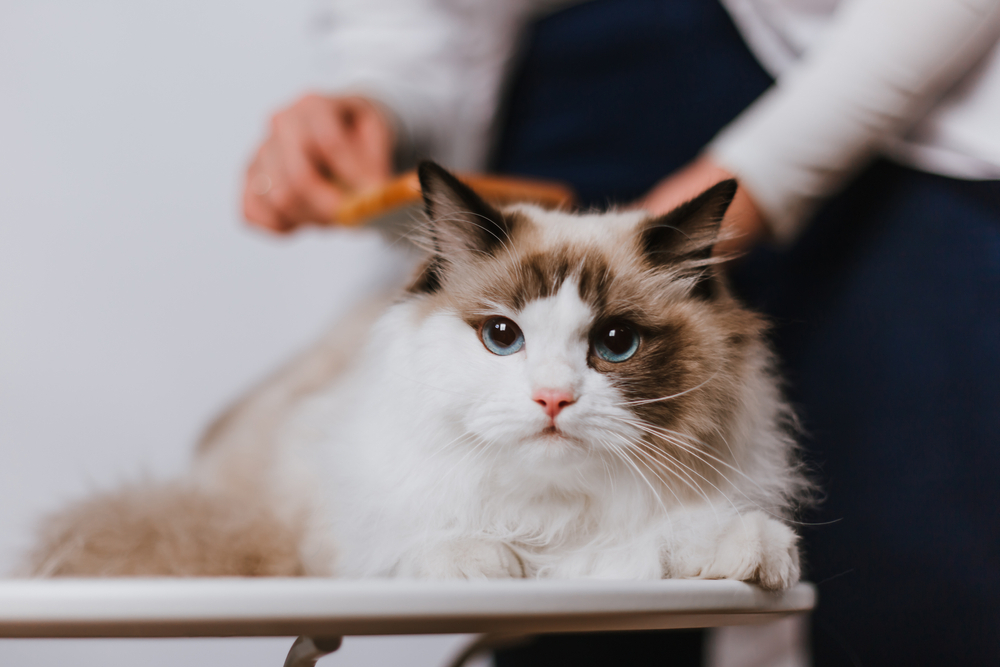
Bad breath isn’t just unpleasant- it’s often the first sign of dental disease, one of the most common yet overlooked conditions affecting senior pets. Dental disease begins when plaque hardens into tartar along the gumline, creating pockets where bacteria thrive. These bacteria don’t stay in the mouth- they enter the bloodstream and can affect the heart, liver, and kidneys, compounding other age-related conditions your senior pet may already be managing. The pain from infected teeth and inflamed gums also reduces appetite, changes behavior, and diminishes quality of life, often in ways owners don’t immediately recognize.
At Homestead Animal Hospital, we provide professional dentistry services designed to clean your pet’s teeth thoroughly and improve their overall quality of life.
How Regenerative Medicine Supports Senior Pets with Chronic Pain
Modern regenerative therapies offer senior pets new avenues for relief, especially when age-related conditions begin to limit mobility or cause persistent discomfort. These treatments work with the body’s natural healing processes, improving comfort, reducing inflammation, and supporting long-term joint health.
Laser therapy, in particular, has become one of the most widely used noninvasive tools for managing chronic pain. It helps decrease inflammation, increase circulation, and promote cellular repair. Treatments are gentle, quick, and stress free, which makes them especially suitable for senior pets who may struggle with traditional rehabilitation exercises at first.
Beyond laser therapy, regenerative medicine encompasses advanced modalities such as platelet-rich plasma (PRP), stem cell therapy, acupuncture, and targeted rehabilitation routines. These therapies focus on supporting tissue repair, reducing joint deterioration, and slowing the progression of chronic disease. When paired with structured rehab sessions, these therapies can significantly improve strength, flexibility, and stability.
At Homestead Animal Hospital, we create personalized care plans designed to meet each senior pet’s mobility level and medical needs. During consultations, we discuss which therapies and medications are best for your pet’s lifestyle and health conditions, building a plan to keep them comfortable and happy long-term.
Taking the Next Step Toward Comfort and Longevity
Noticing small changes early- before they become crises- gives us the best chance to keep your senior pet comfortable, active, and connected to the life they love. A proactive, team-based approach grounded in compassion, advanced diagnostics, and open communication makes all the difference.
At Homestead Animal Hospital, every day we come to work because we believe in making a difference in the lives of people and the pets they love.
If you’ve noticed changes in your senior pet, don’t wait. Request an appointment today, or contact us to discuss your concerns. Together, we’ll create a plan that keeps your best friend comfortable, happy, and thriving for all the years to come.







Leave A Comment